The Complete Guide to Creating Winning Pitch Decks in 2025: From Sample Decks to AI-Powered Solutions
Table of Contents
Creating a compelling pitch deck is the difference between securing life-changing funding and watching your startup dreams fade away. Whether you're preparing your first slide deck or refining an existing pitch presentation, understanding what makes investors say "yes" has never been more critical.
In today's competitive funding landscape, where investors review thousands of pitch decks annually, your presentation deck needs to stand out immediately. This comprehensive guide explores everything from analyzing successful pitch deck examples to using cutting-edge AI pitch deck generators for maximum impact.
What Is a Pitch Deck? The Foundation of Startup Success
A pitch deck is a brief presentation that provides investors with an overview of your business plan, product, team, and growth potential. Think of it as your startup's elevator pitch transformed into a visual slide deck that tells your company's story in 10-15 compelling slides.
The modern pitch deck serves multiple purposes beyond just seeking funding. It's your calling card for accelerator applications, partnership discussions, and team recruitment.
Unlike traditional business presentations, a pitch deck focuses on storytelling rather than exhaustive details. It's designed to generate interest, not close deals. Your goal is to secure that all-important follow-up meeting where deeper discussions can happen.
Learning from the Best: Analyzing Iconic Pitch Deck Examples
The Airbnb Pitch Deck: Mastering Problem-Solution Fit
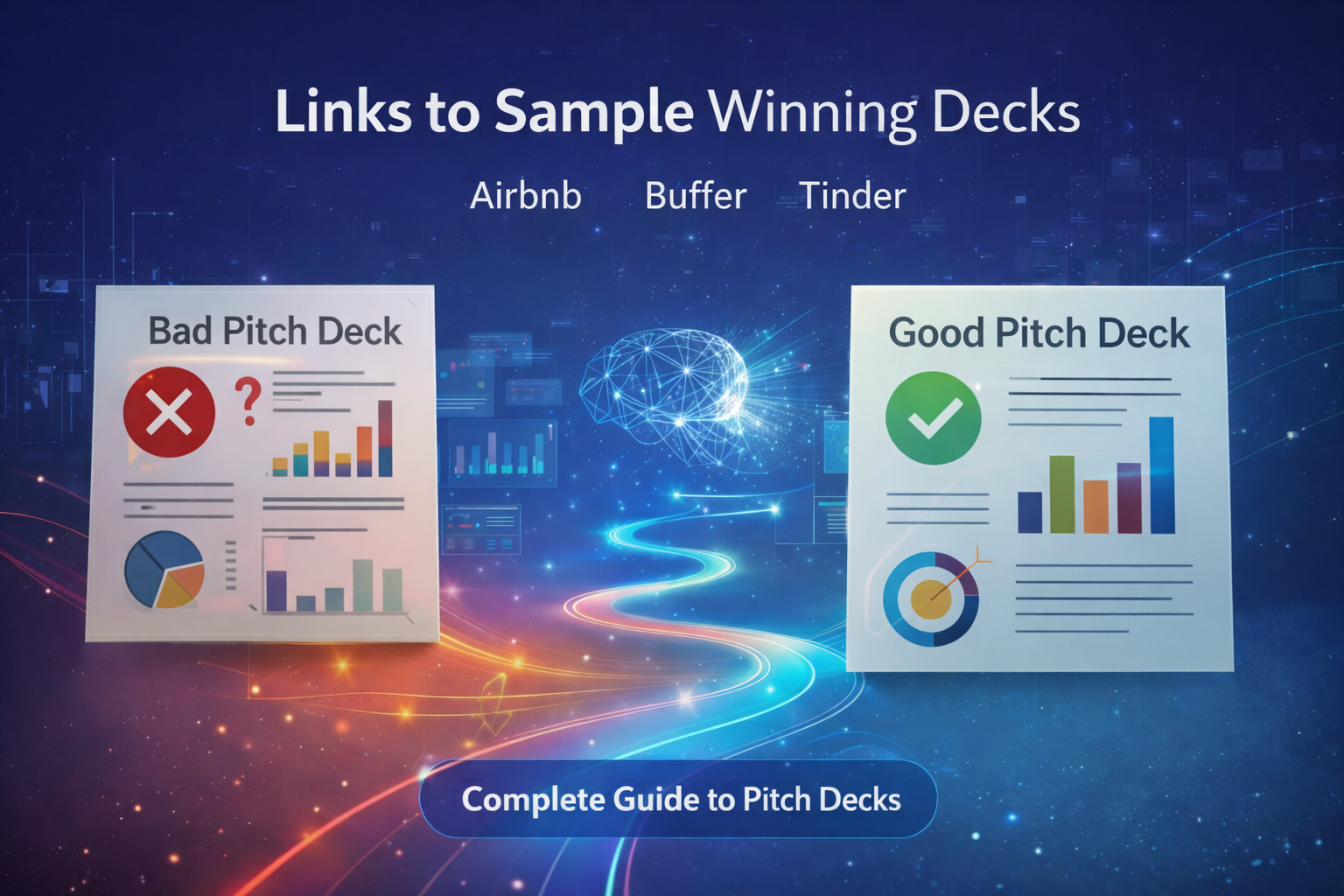
The Airbnb pitch deck remains one of the most studied sample pitch decks in startup history. What made it exceptional wasn't flashy design or complex metrics—it was crystal-clear problem identification and solution demonstration.
The original Airbnb pitch deck succeeded because it:
We reviewed the best startup pitch deck examples from successful startups like Airbnb, Uber, and Tesla, and the Airbnb approach consistently emerges as a gold standard for problem-solution storytelling.
Buffer's Minimalist Approach: Less Is More
Buffer's pitch deck exemplifies the power of simplicity in presentation design. Their slide deck focused on:
Tinder's Story-Driven Strategy
Tinder's pitch deck is an instant right swipe for investors due to its captivating storytelling. The company took a narrative approach by introducing a character named "Matt" to help investors visualize the problem and understand their solution. This storytelling technique made their pitch presentation memorable and relatable.
Essential Elements of Every Winning Slide Deck
A successful pitch deck should explain who you are and what you do, showcasing the "why" and key points behind your business. At minimum, your startup pitch deck should have 10 crucial slides, including the following:
1. The Hook: Your Opening Pitch Slides
Your first slide determines whether investors continue reading or move on to the next deck. Successful pitch deck slides open with either:
2. Problem Identification: Making Pain Points Tangible
The problem slide is where many pitch decks fail. Generic problems don't motivate investment. Your presentation deck needs to articulate a specific, urgent problem that affects a large, addressable market. Use data, customer quotes, and real-world examples to make the pain tangible.
3. Solution Demonstration: Beyond Features to Benefits
Don't just explain what your product does—show how it transforms your customers' lives. The best sample pitch decks demonstrate their solution through customer success stories, before-and-after scenarios, or live product demonstrations.
4. Market Opportunity: Sizing Your Potential
Investors need to understand the total addressable market (TAM), serviceable addressable market (SAM), and your realistic market share potential. Use credible sources and bottom-up analysis rather than generic "trillion-dollar market" claims.
5. Business Model: How You Make Money
Your slide deck must clearly explain how you generate revenue. Include:
6. Traction: Proof of Progress
Traction slides separate viable startups from wishful thinking. Include metrics that matter to your business model:
Modern Tools: AI Pitch Deck Generators and Digital Solutions
The Rise of AI-Powered Presentation Creation
AI pitch deck generators are revolutionizing how entrepreneurs create their slide decks. These tools analyze successful pitch deck examples to suggest structure, content, and design elements. While AI slide deck generators can't replace strategic thinking, they excel at:
Choosing the Right AI Slide Deck Generator
When evaluating AI pitch deck generators, consider:
The following sites offer AI pitch deck generators:
PowerPoint Presentation Decks vs. Modern Alternatives
While there are a number of emerging online presentation platforms, PowerPoint presentation decks remain popular because of the following strengths:
Industry-Specific Pitch Deck Strategies
SaaS and Technology Startups
Technology pitch decks should emphasize:
Consumer Products and E-commerce
Consumer-focused slide decks need:
Healthcare and Biotech
Healthcare pitch presentations require:
Common Pitch Deck Mistakes to Avoid
1. Information Overload
Limit Slides: Keep your pitch deck to around 10-15 slides. Focus on delivering key messages concisely. Many entrepreneurs try to include everything, creating overwhelming presentations that lose investor attention.
2. Weak Financial Projections
Unrealistic hockey-stick projections destroy credibility. Base your financial slides on:
3. Ignoring the Competition
The competition slide barely touched on key differentiators in many failed pitch decks. Acknowledging competition shows market understanding and strategic thinking.
4. Poor Slide Design and Flow
Professional presentation decks require:
Best Practices for Pitch Presentation Delivery
Preparation and Practice
Rehearse: Practice your pitch multiple times to ensure smooth delivery and confidence. Successful pitch presentations result from extensive preparation:
Adapting to Different Audiences
Your pitch deck presentation should adapt to different investor types:
Handling Questions and Objections
Prepare supplementary slides for common questions:
Measuring Pitch Deck Success
Key Performance Indicators
Track your pitch deck's effectiveness through:
Iterating Based on Feedback
The best pitch decks evolve based on real investor feedback:
The Future of Pitch Decks: Trends and Innovations
Interactive and Multimedia Elements
Modern slide decks increasingly incorporate:
Conclusion: Your Path to Pitch Deck Excellence
Creating a winning pitch deck combines art and science. While AI pitch deck generators and professional templates provide excellent starting points, your unique vision, authentic storytelling, and deep market understanding make the difference between funding success and rejection.
Whether you're crafting your first slide deck or refining an existing pitch presentation, remember that investors fund people as much as ideas. Your presentation deck should showcase not just your business opportunity, but your ability to execute against ambitious goals.
Study successful pitch deck examples, leverage modern tools like AI slide deck generators, but never lose sight of the human story at your startup's core. The best PowerPoint presentation decks or slide pitch deck alternatives combine data-driven insights with compelling narratives that make investors excited to join your journey.
Start with a solid foundation, iterate based on feedback, and remember that your pitch deck is just the beginning of building investor relationships that will fuel your startup's growth. In today's competitive funding environment, excellence in pitch presentation isn't optional—it's essential for startup survival and success.
Further Reading: Find the Right Investors
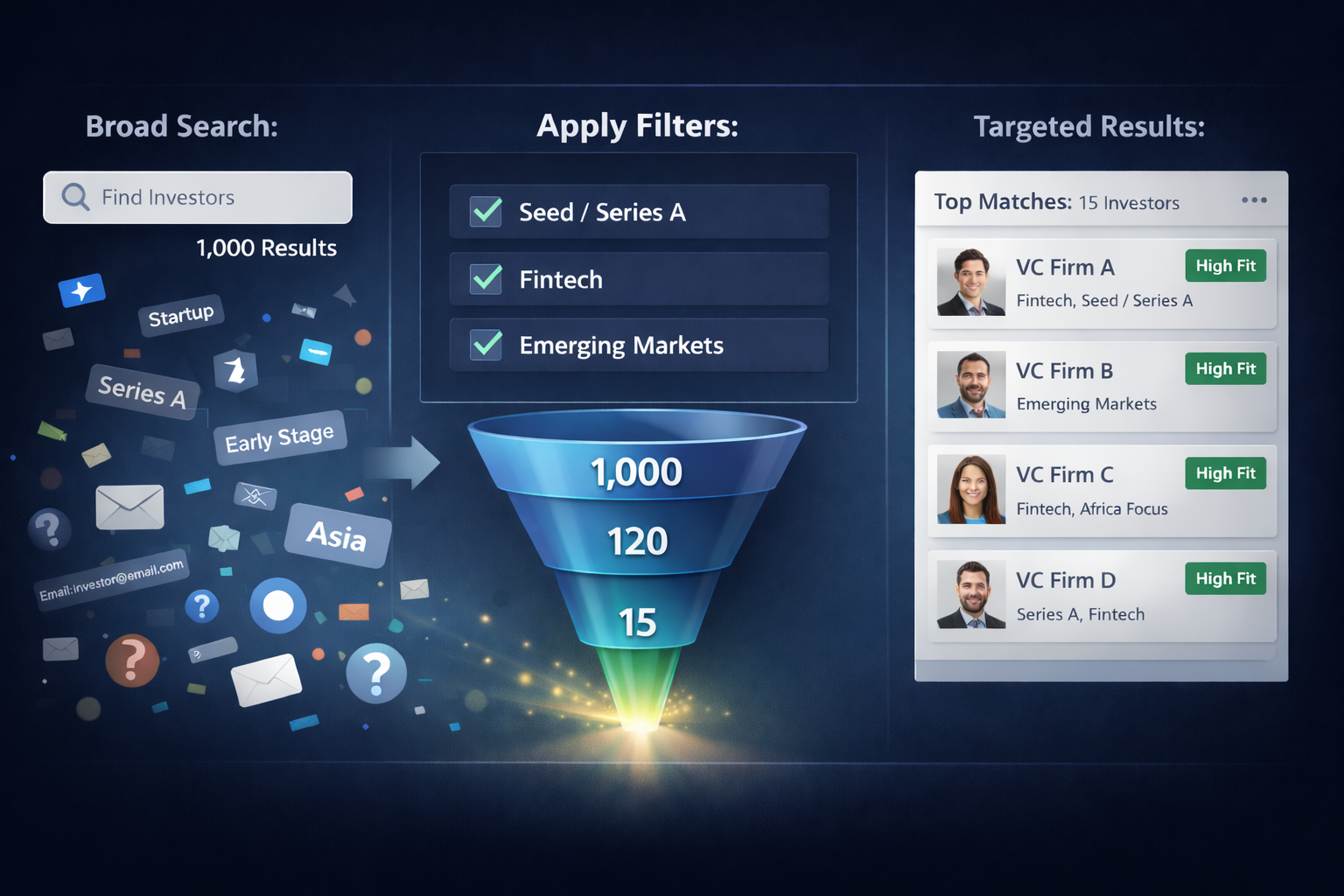
Once your pitch is ready, the next step is targeted investor outreach. Browse our venture capital directory by region to find active funds in Africa, Asia, Europe, Canada, and the United States, or scan the full VC firm list to shortlist firms aligned with your stage and sector.
---
Catherine Oyiliagu (ECO) is a writer and funding strategist focused on startup funding ecosystems, with a particular interest in how venture capital, debt financing, and grants shape growth-stage companies in Africa and emerging markets. She helps founders decode funding signals and build stronger capital readiness narratives.